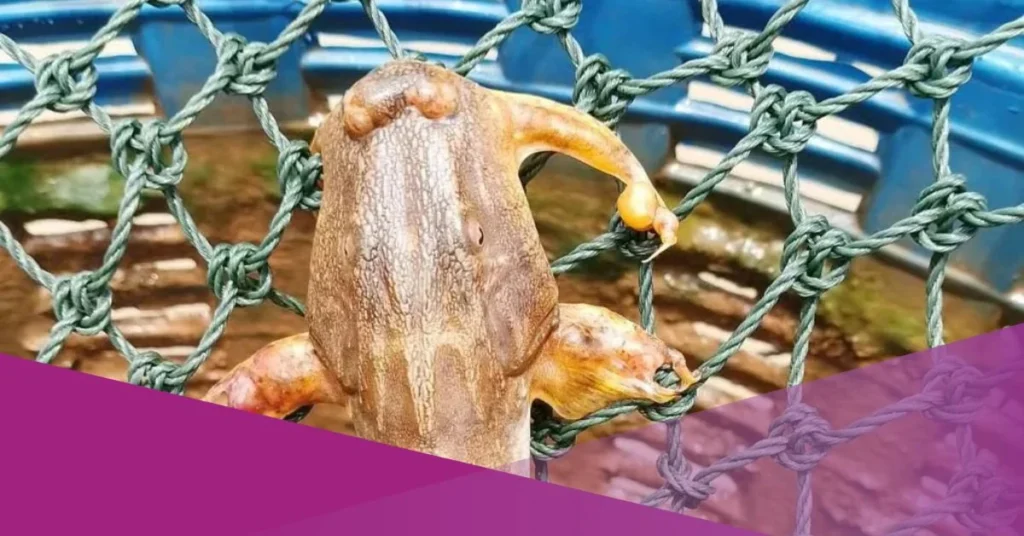
Fishermen in Thailand have reported finding catfish covered in blisters, sores and unusual growths along the Mekong River, raising concerns about possible heavy metal contamination linked to mining activities upstream.
The affected fish, locally known as pla khae, have been described as ‘zombie fish’ because of their unusual appearance. Photographs shared by Thai environmental activist Aombun Thipsuna on social media have drawn attention to the condition of the fish and growing concerns about the river’s water quality.
The discovery has renewed scrutiny of possible arsenic and heavy metal pollution in the Mekong River, which supports communities across Southeast Asia. Environmental campaigners have raised concerns that mining operations in neighbouring countries, including Myanmar, Laos and China, could be contributing to contamination.
Fish Abnormalities Raise Concerns Over Mekong River Pollution
According to Aombun, local fishermen have reported finding fish with similar abnormalities since the period following the COVID-19 pandemic.
She believes prolonged exposure to heavy metals could weaken the fish’s immune systems, making them more vulnerable to diseases and infections. However, the exact cause of the abnormalities has not been established.
Aombun and local residents collected nearly 60 fish specimens for examination at Naresuan University. Of these, six had severe and visible blisters, while another 30 to 40 showed early signs of abnormalities, including discoloured fins and tails, small blisters and lesions.
“If these fish remain in the Mekong River, their condition will deteriorate,” Aombun said.
The concerns are supported by reports of increasing heavy metal concentrations in parts of the river. Data from the Pollution Control Department’s regional office in Udon Thani indicated a sharp increase in heavy metal levels from 2024.
Thailand’s Deputy Prime Minister Yodchanan Wongsawat told the Bangkok Post on 15 November that the government had urged Beijing and Naypyidaw to ensure that mining operations in Myanmar, including those linked to Chinese interests, installed barriers or containment structures to prevent mining waste from entering waterways.
Environmental groups are also working with Naresuan University and students from 14 schools along the Mekong to collect and examine water, soil and fish samples. Their findings are being shared through an application called Safe Fish to help communities access information about local environmental conditions.
Find this article helpful? Check out our other articles from Social Expat for more News in Thailand!
- Thai Junior Golfer Dies After Being Struck by Lightning During Competition
- BIGBANG Bangkok Concert Cut Short Due to Bad Weather, Promoter Offers Full Refunds
- Tourists Get Covered in Mud During ATV Adventure After Heavy Rain in Thailand