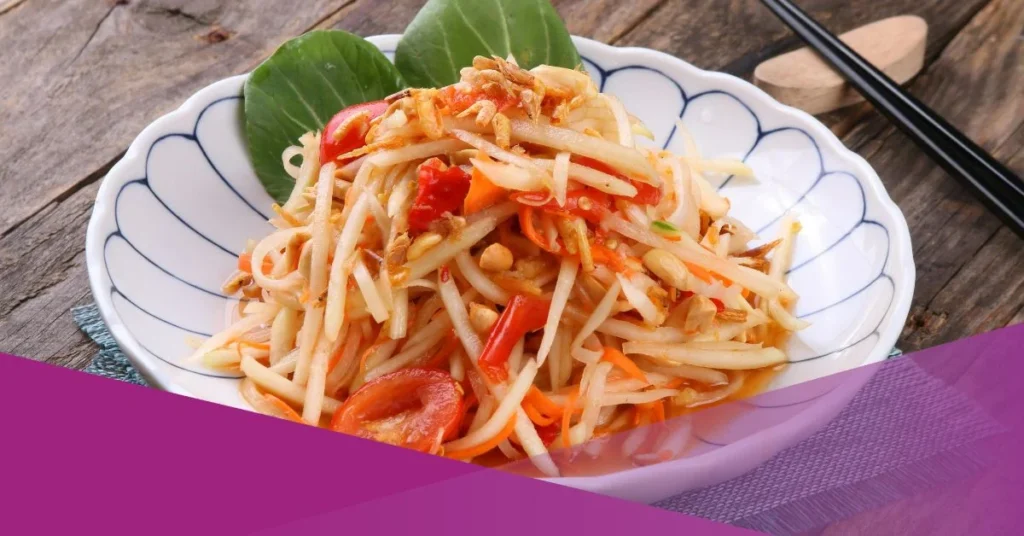
Thai cuisine is celebrated across the globe for its vibrant aromas, bold spices, and rich culinary heritage. Beyond being exceptionally delicious, healthy Thai food offers an abundance of nutritional benefits. Packed with fresh herbs, lean proteins, and wholesome vegetables, Thai food provides a wonderful way to enjoy a nutritious meal without compromising on flavour.
Whether you are aiming to prevent chronic disease, reduce heavy fats, or simply expand your home cooking repertoire, exploring authentic Thai dishes is a fantastic choice. In this article, we will examine why Thai cooking is naturally nutritious, how Thai people balance fresh ingredients, and how you can cook a simple, delicious healthy Thai recipe right in your own kitchen.
Why Thai Cuisine is Naturally Good for You
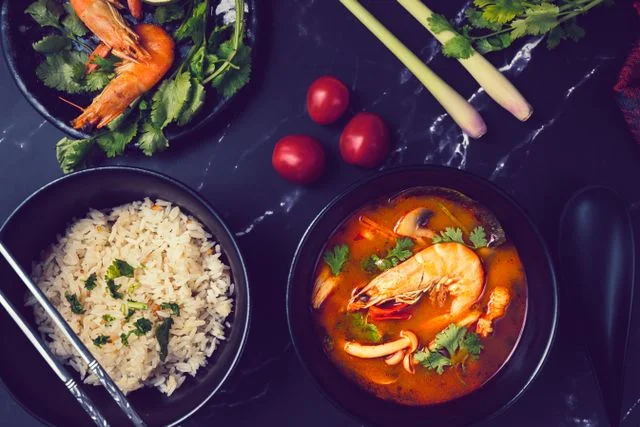
Traditional Thai cuisine relies heavily on fresh herbs, aromatic roots, and quick cooking methods. Unlike standard fast foods that rely on heavy processing, authentic recipes focus on raw freshness and high-energy cooking techniques.
At the heart of nutritious Thai cooking is a balanced combination of fresh herbs and spices, healthy fats and bases, and lean proteins paired with vibrant vegetables. Fresh herbs and spices, such as fragrant lemongrass, earthy coriander, and zesty lime leaves, provide powerful antioxidants and digestion-boosting benefits while infusing dishes with intense flavor without extra calories.
For bases and cooking fats, authentic recipes often utilize fresh stock alongside controlled amounts of coconut milk or olive oil to create rich, satisfying textures and deep flavors. Finally, lean proteins like sliced chicken combined with nutrient-dense vegetables such as crisp carrots and onions ensure every meal delivers high fiber, essential vitamins, and quality protein to keep you energized.
1. Abundance of Aromatic Herbs
Essential components like lemongrass, coriander, garlic, and lime leaves contain valuable antioxidant properties. These fragrant roots and herbs give dishes their signature aroma while promoting digestion and boosting immunity.
2. Balanced Fast-Cooking Techniques
To preserve vitamins, chefs rapidly fry or stir-fry ingredients over high heat or allow broths to gently simmer. This keeps vegetables crisp and preserves vital nutrients that are often lost during prolonged cooking.
3. Naturally Gluten-Free Options
Many classic dishes rely on rice, rice flour, or rice noodles rather than wheat-based ingredients. This makes Thai cooking naturally friendly for anyone following a gluten-free lifestyle.
Healthier Choices: From Street Food to Home Cooking
When ordering from a favourite Thai restaurant or preparing food at home, a few smart swaps can make your healthy food even lighter:
- Choose Broth-Based Soups over Heavy Curries: Clear, aromatic soups are hydration-rich and low in calories compared to rich, cream-based dishes.
- Control the Oil and Fats: Stir-frying at home allows you to control the amount of cooking oil used. Using a splash of olive oil or vegetable stock keeps the dish light and clean.
- Balance Sweet and Spicy: Traditional sauces combine sweet, sour, spicy, and salty notes. Moderating added sugars highlights the natural flavor of fresh ingredients.
Key Ingredients in a Healthy Thai Pantry

To make an authentic Thai-style recipe at home, stock your kitchen with these staple items:
Ingredient Role in Thai Cooking Health Benefit
- Lime & Kaffir Leaves Adds sour brightness and aroma Rich in Vitamin C & antioxidants
- Chicken or Tofu Primary lean protein source Essential for muscle repair & satiety
- Carrot & Onion Crunchy vegetable base High in fiber, vitamins & minerals
- Coconut Milk Rich curry base and sauce component Provides medium-chain fatty acids
Step-by-Step Recipe: Healthy Chicken & Vegetable Thai Soup
This famous hot and spicy soup (inspired by Tom Yum) is packed with flavor, light on calories, and quick to prepare. It makes a perfect easy weekday meal.Preparing an authentic Thai soup follows a simple, four-step cooking process that builds deep layers of flavour.
First, build the aromatic base by simmering water or stock alongside fragrant lime leaves until the broth is infused.
Next, introduce your protein and vegetables, such as lean chicken, sliced carrots, and onions, allowing them to simmer gently in the liquid until cooked through and tender.
Third, season the soup off the heat with fish sauce, fresh lime juice, and sliced chilli to achieve the signature Thai balance of sweet, salty, sour, and spicy notes.
Finally, ladle the steaming soup directly into a bowl and garnish generously with fresh coriander before serving.
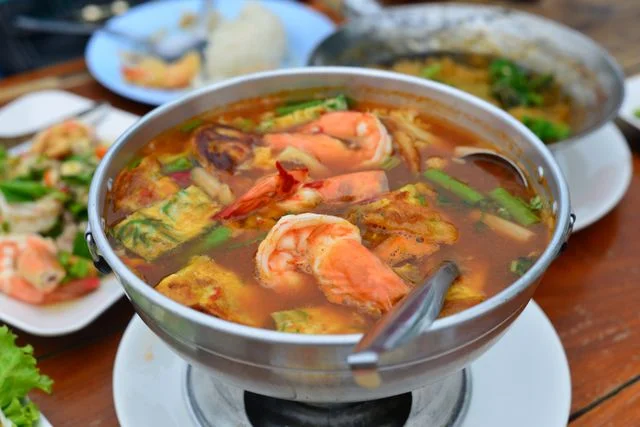
Ingredients Required
- 500 ml water or clear vegetable/chicken stock
- 200 g chicken breast, sliced thin
- 1 medium carrot, thinly sliced
- 1 small onion, sliced
- 2-3 kaffir lime leaves
- 1 tbsp fresh lime juice
- 1 tbsp olive oil (for light sautéing if desired)
- Fresh coriander leaves for garnish
- 1 fresh chilli (optional for spicy heat)
Step-by-Step Cooking Instructions
Step 1: Prepare the Aromatic Base
In a medium pot, combine the water (or stock) with lime leaves and crushed lemongrass. Bring the liquid to a boil over medium-high heat, then reduce to a low simmer for 5 minutes until intensely fragrant.
Step 2: Add Vegetables and Protein
Add the sliced chicken, carrot, and onion into the simmering broth. Cook gently for 6–8 minutes until the chicken is thoroughly cooked through and the vegetables are tender yet crisp.
Step 3: Season the Broth
Remove the pot from the heat source. Stir in fresh lime juice and a splash of light soy or fish sauce. Balance the sweet and sour notes to your personal taste preferences.
Step 4: Serve and Enjoy
Ladle the soup directly into a deep serving bowl. Garnish generously with fresh coriander. Serve while steaming hot alongside a small portion of steamed jasmine rice.
Popular Thai Street Food Favorites Refreshed
If you prefer noodles or grilled items over soups, here is how popular Thai classics stack up:
Pad Thai
A worldwide favourite, pad thai features stir-fried noodle portions tossed with egg, bean sprouts, and peanuts. To make a healthier version at home, reduce the sweetener, drain excess cooking oil, and load up on fresh bean sprouts and green vegetables.
Thai-Style Stir-Fries & Grills
Alternatively, try a thai-style stir-fry cooked over high heat in a wok using minimal olive oil. You can also grill marinated protein skewers until golden brown for a high-protein, low-fat alternative.
Guilt-Free Thai Desserts
No meal is complete without a sweet treat to finish. While traditional desserts can be rich, a smart thai dessert choice uses natural fruit sweetness. Freshly sliced mango served with a light drizzle of warm coconut milk provides a naturally good, refreshing end to your dining experience.