Moving to Thailand as an expat or digital nomad brings exciting lifestyle opportunities, from enjoying world-class street food to living near tropical beaches. However, managing your daily finances in a foreign country can feel intimidating. While Thailand relies heavily on digital transfers and prompt payment systems, cash remains essential for daily transactions at local markets, street stalls, and regional transport hubs.
To easily access cash without paying heavy international transaction fees, obtaining a local ATM card and opening a Thai bank account should be high on your settling-in checklist. Here is a comprehensive guide on how to navigate Thai banking, obtain your debit card, and secure your funds while living in the Land of Smiles.
Understanding Thailand’s ATM and Banking System
When people ask “how to make an ATM card” in Thailand, they are usually referring to opening a local bank account and having an active debit card issued on the spot. Unlike in some Western countries where debit cards are personalized with your name printed and mailed days later, major Thai financial institutions issue active Visa or Mastercard debit cards over the counter during your initial appointment.
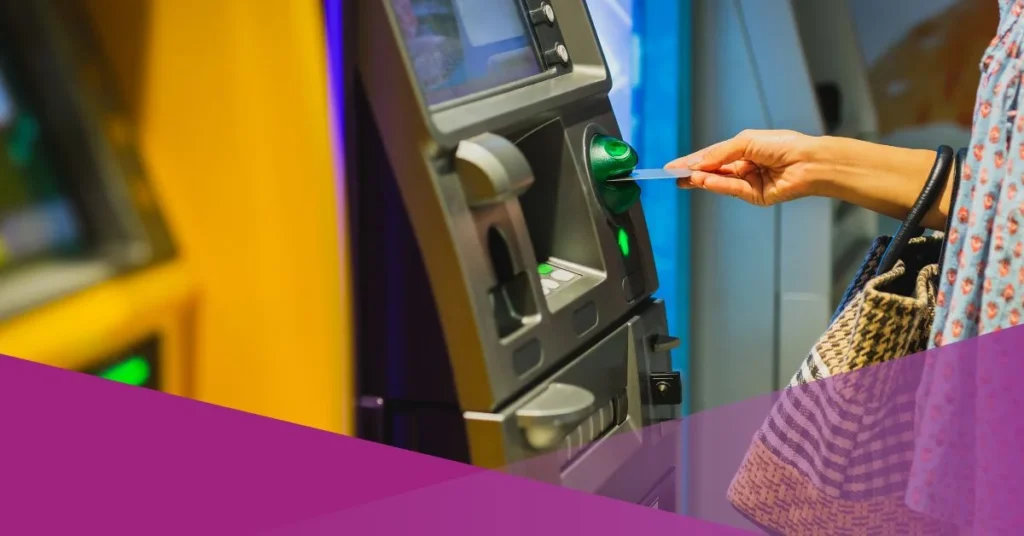
Thailand boasts a dense network of cash machines across every province. You will find color-coded ATMs stationed outside convenience stores like 7-Eleven, inside shopping malls, and next to bank branches. Each major bank is recognizable by its distinct corporate color:
- Bangkok Bank: Dark Blue
- Kasikornbank (K-Bank): Bright Green
- Siam Commercial Bank (SCB): Purple
- Krungthai Bank: Light Blue
- Bank of Ayudhya (Krungsri): Yellow
Requirements and Documents Needed for Expats
Thai banking regulations have tightened in recent years to enhance financial security and prevent fraud. Consequently, requirements can vary slightly depending on the specific branch or office you visit, as individual branch managers hold considerable discretion.
To maximize your chances of opening an account and getting an ATM card on your first attempt, bring the following original documents:
- Valid Passport: Must have at least 6 months of validity remaining.
- Valid Visa: A Work Permit, Long-Term Resident (LTR) visa, Non-Immigrant Visa (B, O, OA, ED), or Thailand Privilege Visa. Note: Standard tourist visa holders may face stricter scrutiny or rejections at central branches.
- Proof of Address in Thailand: A work permit, a residence certificate issued by Thai Immigration, an official lease agreement signed with your landlord, or a house registration book (Tabien Baan).
- Initial Deposit: Most banks require an opening initial cash deposit ranging from 500 THB to 1,000 THB.
- Thai Phone Number: Required to receive One-Time Passwords (OTPs) and register for mobile banking apps.
Step-by-Step Guide: How to Get Your ATM Card
Step 1: Choose the Right Bank and Branch
Select a bank that caters well to international clients. Bangkok Bank and Kasikornbank are generally considered the most expat-friendly choices. Furthermore, visiting a branch located in an expat-heavy area (such as Sukhumvit in Bangkok or central areas in Chiang Mai and Phuket) often speeds up the process, as the staff is familiar with international documentation.
Step 2: Queue and Present Your Documents
Take a queue ticket for “New Account / Customer Service” at the branch entrance. When your number is called, present your passport, visa, proof of address, and Thai phone number to the officer.
Step 3: Complete Forms and Make the Initial Deposit
The banking representative will assist you in filling out the opening paperwork. You will hand over your cash deposit (usually 500–1,000 THB), which will be credited directly to your new passbook account.
Step 4: Pay Card Issuance Fees
To issue your ATM debit card, the bank will charge an initial creation fee (typically around 100 THB to 300 THB) alongside an annual card fee (around 200 THB to 500 THB depending on the card tier and included insurance benefits).
Step 5: Receive Your ATM Card and Set Your PIN
The officer will issue your card immediately. You will be guided to an in-branch terminal or an external machine to select and set your secure 6-digit PIN.
Essential ATM Security and Safety Tips
Protecting your finances is vital while living abroad. Follow these practical rules to keep your money and personal data safe:
- Select a Strong 6-Digit PIN: Avoid simple numerical combinations such as birth dates, repeating numbers (111111), or sequential series (123456).
- Cover the Keypad: Always shield the keypad with your hand when entering your code at any cash machine.
- Inspect the Machine: Look for unusual attachments around the card slot or loose keypads that might signal card-skimming hardware.
- Use In-Branch or Well-Lit ATMs: Whenever possible, withdraw funds from machines located directly inside or outside a physical bank branch. If a machine swallows your card, branch staff can assist you promptly.
- Enable Mobile Notifications: Activate instant push notifications or SMS alerts within your Thai mobile banking application so you are alerted immediately to any withdrawal or debit transaction.
ATM Fees and Withdrawal Limits for Expats
Using a local Thai ATM card offers clear financial advantages over foreign bank cards:
- Foreign Card Fees: Using an international debit card at a Thai machine attracts a flat fee of 220 THB per transaction, alongside your home bank’s currency conversion markups.
- Local ATM Fees: Withdrawals made with a Thai debit card at your issuing bank’s machine within the same province are completely free. Minor fees (typically 10 THB to 20 THB) apply when using another bank’s machine or withdrawing in a different province.
- Daily Withdrawal Limits: Standard default daily limit for cash withdrawals ranges between 20,000 THB and 50,000 THB. You can adjust this threshold anytime using your mobile banking application.
Frequently Asked Questions (PAA)
Can I open a bank account and get an ATM card in Thailand on a tourist visa?
While official policy allows some discretion, opening a bank account on a standard 30-day or 60-day tourist visa has become increasingly difficult due to strict anti-money laundering regulations. Some specialized agencies or specific central branches in tourist hotspots may assist, but having a long-term visa, work permit, or residence certificate vastly increases your approval odds.
What should I do if a Thai ATM swallows my debit card?
If the cash machine retains your card, immediately contact your bank’s customer service helpline or inform the branch staff if the machine is attached to an open office. For security reasons, banks often destroy swallowed cards rather than returning them, requiring you to visit a local branch with your passport to obtain a replacement card for a small fee.
How do I activate mobile banking with my new Thai ATM card?
Most bank representatives will help you install and configure the bank’s official app (e.g., K-Plus, SCB EASY, or Bangkok Bank Mobile Banking) on your phone right after issuing your card. Activation typically requires your new card details, passport number, and an OTP sent to your registered Thai phone number.