Thailand has been ranked among the countries with the fewest hurdles for digital nomads, highlighting its growing appeal to remote workers looking for a place to live and work abroad.
Thailand placed fourth in the Digital Nomad Friction Index 2026, behind Georgia, Peru and South Africa. Malaysia ranked fifth, while Vietnam came sixth. The index was produced by travel eSIM provider Holafly and assessed factors including visa requirements, banking access, healthcare, internet connectivity, cost of living and disruption risks.
The ranking looks beyond the ease of entering a country. It also considers how convenient it is for remote workers to manage everyday life after arrival, including accessing essential services and maintaining a reliable working environment.
Thailand Offers a More Flexible Setup for Remote Workers
Thailand has introduced policies aimed at attracting international remote workers, including the Destination Thailand Visa (DTV).
The visa was introduced for foreigners who want to stay in Thailand for extended periods while working remotely or taking part in approved activities. It allows stays of up to 180 days, with the possibility of extending for another 180 days, and has a five-year validity period.
The DTV covers digital nomads, remote workers and freelancers, as well as visitors taking part in activities linked to Thai soft power, such as Muay Thai training, Thai cooking classes and cultural programmes. Applicants for the working-related category are required to provide evidence of their employment or professional status and financial capacity.
This gives Thailand an option for remote workers who want more than a short holiday and are looking to spend a longer period in the country.
Connectivity and Cost of Living Support Digital Nomad Life
The Holafly index also highlights why practical factors matter to people working while travelling.
According to the study, 46.8% of respondents had experienced work interruptions or income losses because of problems encountered while travelling, while 35% said connectivity issues had affected their work regularly or on every trip.
Thailand’s appeal in this area is also reflected in another 2026 ranking. The Rumavi Global Relocation Index placed Thailand third globally for digital nomads, behind Malaysia and Portugal, after assessing 192 countries and territories.
Thailand received particularly strong scores for cost of living, currency and banking, digital infrastructure and healthcare. Its cost-of-living score was 96.9, while currency and banking received 91.8 and digital infrastructure 89.4.
These factors can make a difference for remote workers who need to balance accommodation, transport, food and other daily expenses while maintaining a stable working routine.
From Bangkok to Chiang Mai and the Islands
Thailand also offers digital nomads a range of environments for longer stays.
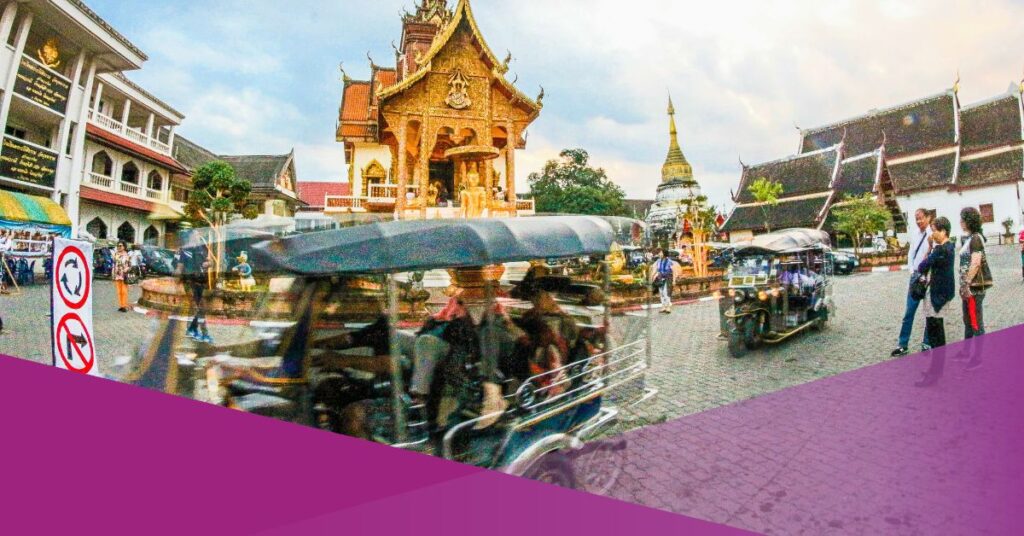
Bangkok provides access to a large business and services ecosystem, while Chiang Mai has long attracted freelancers and remote workers looking for a slower pace of life. Coastal destinations and islands offer another option for those who want to combine remote work with a beach-based lifestyle.
The country’s established tourism infrastructure also makes it relatively easy to move between destinations, giving remote workers the flexibility to spend part of their stay in a major city before relocating to a smaller destination.
Thailand’s Tourism Authority has also been actively promoting the country as a workation destination. In 2025, the agency partnered with freelance platform Fastwork for its “Workation Paradise Throughout Thailand” campaign, targeting digital nomads and freelance expatriates.
The government has said that attracting digital nomads who stay longer can generate spending across accommodation, food, transport, healthcare and other services, while helping distribute tourism revenue beyond traditional tourist centres.
Thailand’s position in the 2026 rankings therefore reflects more than its popularity as a holiday destination. With long-stay visa options, digital infrastructure, relatively affordable living costs and established tourism services, the country is increasingly positioning itself as a place where international remote workers can live and work, not just visit.