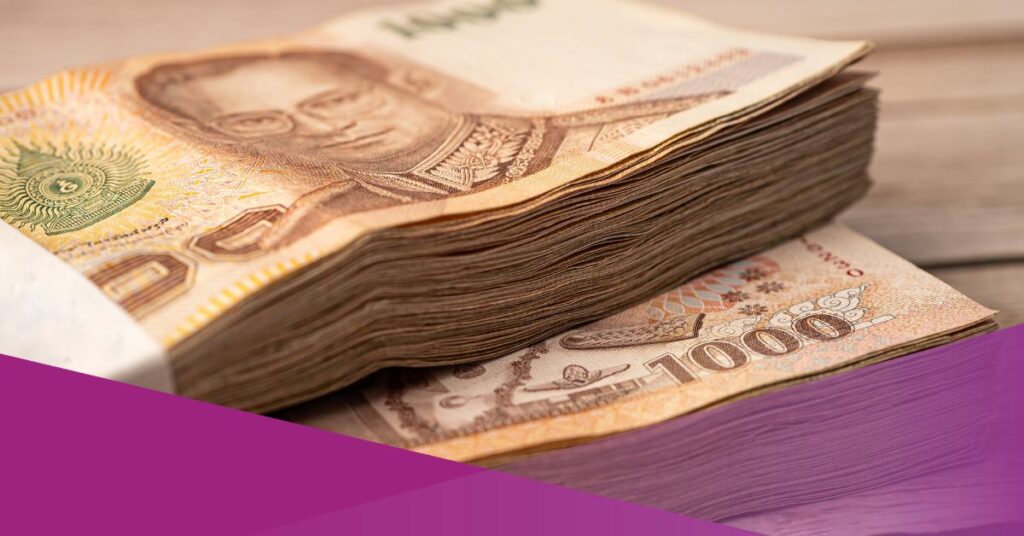
Moving to Thailand is an exciting adventure, but getting a handle on the local currency should be right at the top of your moving checklist. Whether you are grabbing street food in Bangkok or settling monthly bills, understanding how money in Thailand works helps you avoid dodgy conversion rates and keeps your spending on track. The official currency in Thailand is the Thai baht (THB), issued by the Bank of Thailand.
While major credit cards work in high-end spots, cash is still king across local markets, so keeping a good mix of banknotes and baht coins in your wallet is essential.
Navigating the daily cash flow is simple once you know what to look for. You will deal with various denomination notes, along with coins ranging from small satang pieces to the handy 10 baht coin for public transport and quick snacks. If you are bringing foreign currency like the us dollar (USD), hit up a reputable currency exchange booth in town rather than airport kiosks to secure a far better exchange rate.
A quick insider tip for expats: always swap your USD or foreign funds into local cash before heading off the beaten track, as local vendors will only accept Thai baht.
Essential Tips for Managing Thailand Currency
Understanding Thai currency history and daily usage makes settling into local life much smoother. Modern currency practices stem back to 1897, when the country standardized its monetary system, leading to today’s recognized currency code THB and official currency symbol ฿.
Every banknote and coin features portraits of revered monarchs, including King Rama X and the late King Rama IX, which is why cash should always be treated with physical respect. For everyday expenses, you will frequently use smaller denominations like the 20 baht note, 100 baht note, or 2 baht coin for quick purchases and street food.
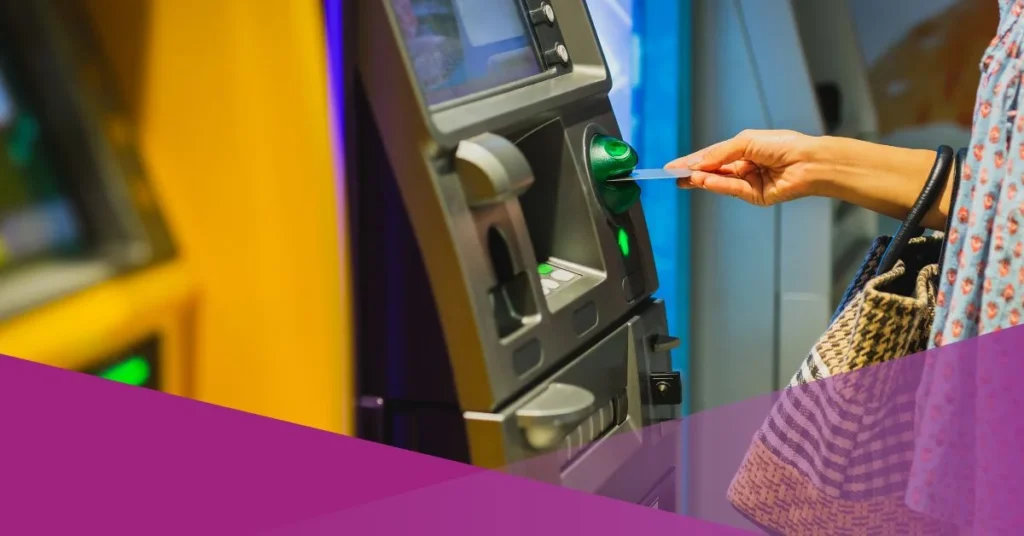
When converting funds or checking the USD to THB rate, keep in mind that cash withdrawals from ATMs in Thailand incur a standard local surcharge fee, so withdrawing larger amounts less frequently is best practice when using foreign ATMs. If you need to send money into the country regularly, setting up a local bank account combined with online international transfer tools will save you significantly on fees compared to continuous card withdrawals.
Understanding the Thai Baht: Currency Symbol and Denominations
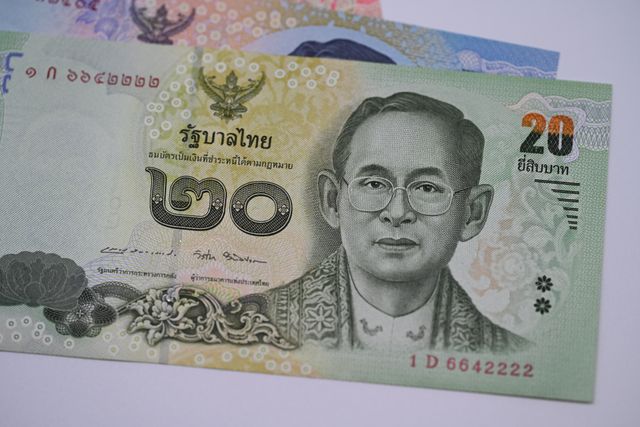
The official unit of currency across the kingdom is the Thai baht. Represented by the official currency symbol ฿ and internationally coded as THB, it serves as the sole tender accepted for everyday transactions. While major credit cards are widely accepted at hotels, modern supermarkets, and high-end restaurants in central hubs like Bangkok, Thailand remains a predominantly cash-oriented culture for local dining, markets, and regional transport.
The physical currency in Thailand is divided into notes and coins that are easy to distinguish once you become familiar with their distinct colours:
- Banknotes: Circulate in five main values. The ฿20 note is green, the ฿50 note is blue, the ฿100 note is red, the ฿500 note is purple, and the ฿1,000 note is brown. Care should be taken when handling ฿100 and ฿1,000 notes in low light, as their hues can occasionally appear similar at first glance.
- Thai coins: The most frequently used coins are valued at ฿1, ฿2, ฿5, and ฿10. The ฿10 coin features a distinctive two-tone brass and nickel design. Smaller fractional units known as satang exist in 25 and 50-satang denominations, though these are primarily given as change in modern supermarkets rather than used in daily open-market trading.
Exchange Rates, Foreign Currency, and the US Dollar
Monitoring daily rates allows you to optimize living allowances when travelling to Thailand or settling in long-term. The Thailand currency controlled by the Thai government fluctuates based on global markets, so anyone holding 1 USD or other foreign cash will notice shifting conversion values over time. Tracking the main currency pair via an online currency converter helps you stay aware of how many baht per foreign dollar you should expect, aiming as close as possible to the true mid-market exchange rate.
When you arrive in Thailand, managing your money properly ensures smooth daily spending:
- Inspect Your Cash: If you carry paper currency like the US dollar, make sure every bill is spotless. Local counters regularly reject torn or marked notes. Exchanging higher-value foreign bills often yields better rates before converting them into essential baht denominations.
- Selecting Where to Exchange: Skip basic airport desks and major Thai banks for cash swaps if possible. Independent, accredited exchange booths across major cities provide far better value when exchanging Thai baht or changing back remaining paper baht notes.
- Navigating Card Payments: When using a foreign card in Thailand, always select local THB at the payment terminal rather than your home unit to avoid high markup fees.
- Everyday Small Change: While travelling in Thailand, you will constantly use physical money. Keep small baht coins, like the 1 baht coin, 5 baht coin, or one baht satang pieces, handy alongside paper notes, as local merchants prefer exact change for everyday purchases. Understanding every unit of currency makes buying street food or paying for transport effortless.
Frequently Asked Questions
Can I use US dollars directly in Thailand for everyday purchases?
No, foreign cash is not accepted for standard commercial transactions across local shops, street vendors, or transport services. Every purchase must be completed using physical baht banknotes or local digital payment applications. Each unit of local currency is divided into 100 satang, though in practice, 100 satang simply equals one full baht. You will need to exchange foreign money at an authorized physical exchange counter or withdraw local funds from a bank machine after you clear the airport.
What is the most cost-effective way to exchange foreign currency into Thai baht?
The most economical option for cash conversions is visiting accredited, specialized exchange booths (such as SuperRich) in central commercial districts rather than basic airport desks. Genuine baht banknotes carry distinct security features and display the portrait of the reigning King of Thailand on the front, with historical imagery on the reverse side. For moving larger funds directly from overseas, using digital bank-to-bank transfer services minimizes transaction fees and provides rates very close to mid-market pricing.
Are credit cards widely accepted throughout the country?
Credit and debit cards are accepted in established hotels, shopping malls, and upscale dining spots, especially in busy tourist areas. However, card payments at smaller venues often carry local transaction fees, and cash remains essential for independent markets and street dining. To ensure smooth transactions, inspect your paper cash regularly and familiarize yourself with standard security features on genuine local notes.